Menu

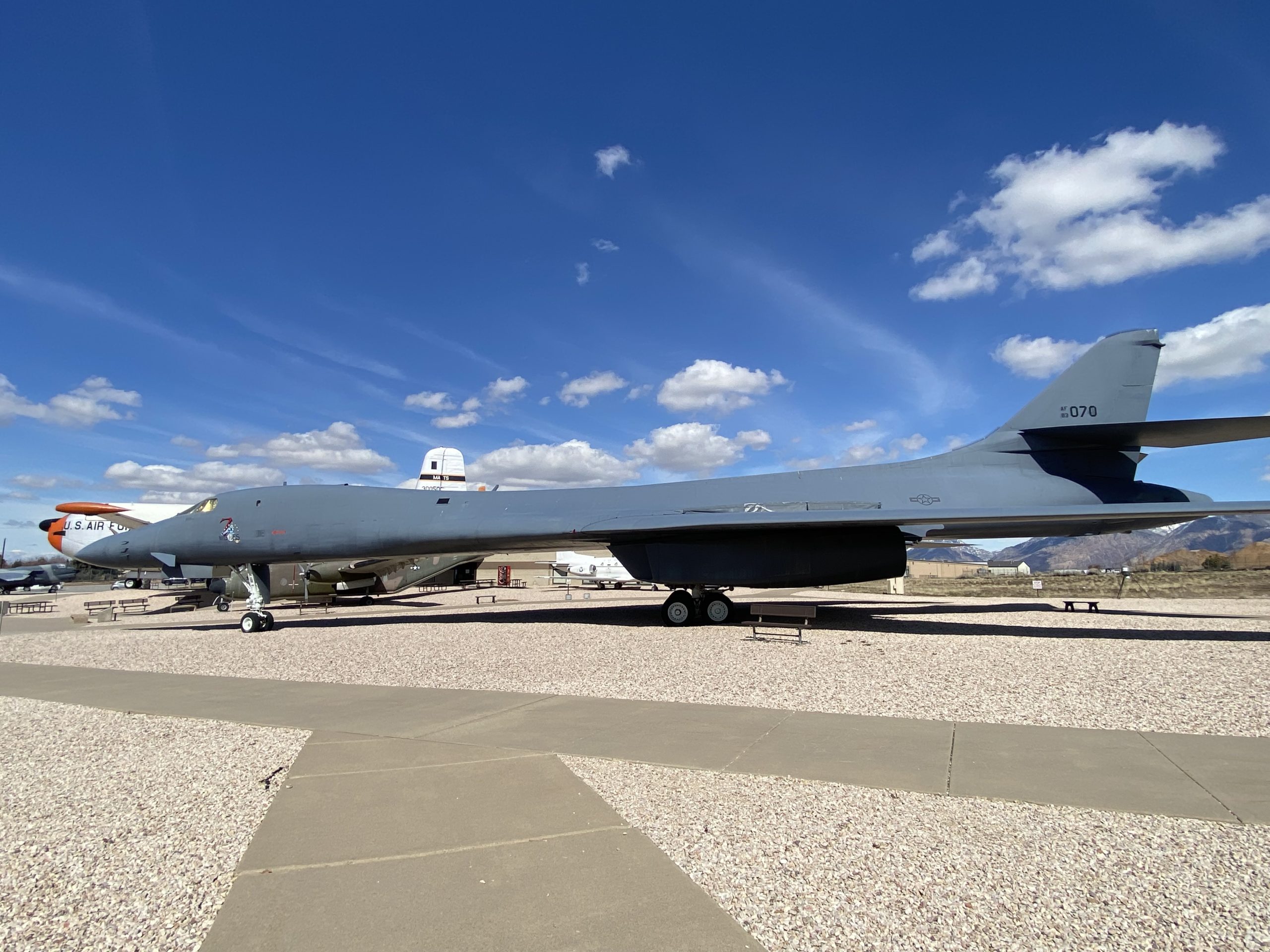
Rockwell B-1B Lancer

  • Rockwell B-1B Lancer
  • Rockwell B-1B Lancer
  • Rockwell B-1B Lancer

History of the B-1B Lancer, “The Bone”

A Tried-and-True Bomber

Rockwell International developed the B-1 Lancer in the 1970s as a replacement bomber for the B-52. The B-1 features a sleek, blended wing and body configuration that improves maneuverability and survivability over previous bombers used by the US Air Force. Throughout its career, the B-1’s ability to carry one of the largest payloads of guided and unguided weapons in the US Air Force has made it a standout in this nation’s long-range bomber force. While the US Air Force intended to use the Lancer to deliver nuclear ordnance, weapon reduction treaties forced workers to convert the B-1B fleet into traditional bombers in 1994.

7 Wishes at Hill Aerospace Museum

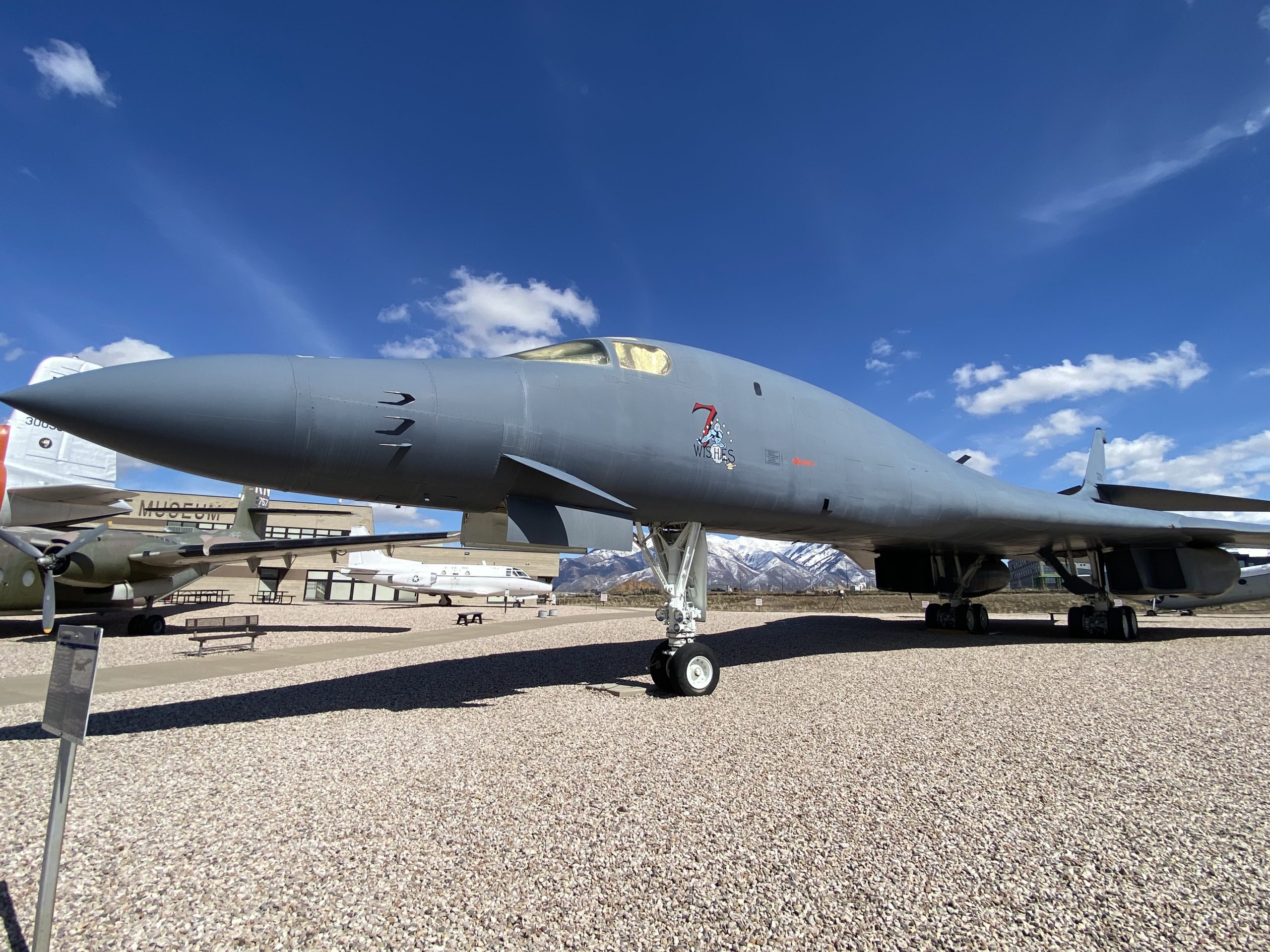
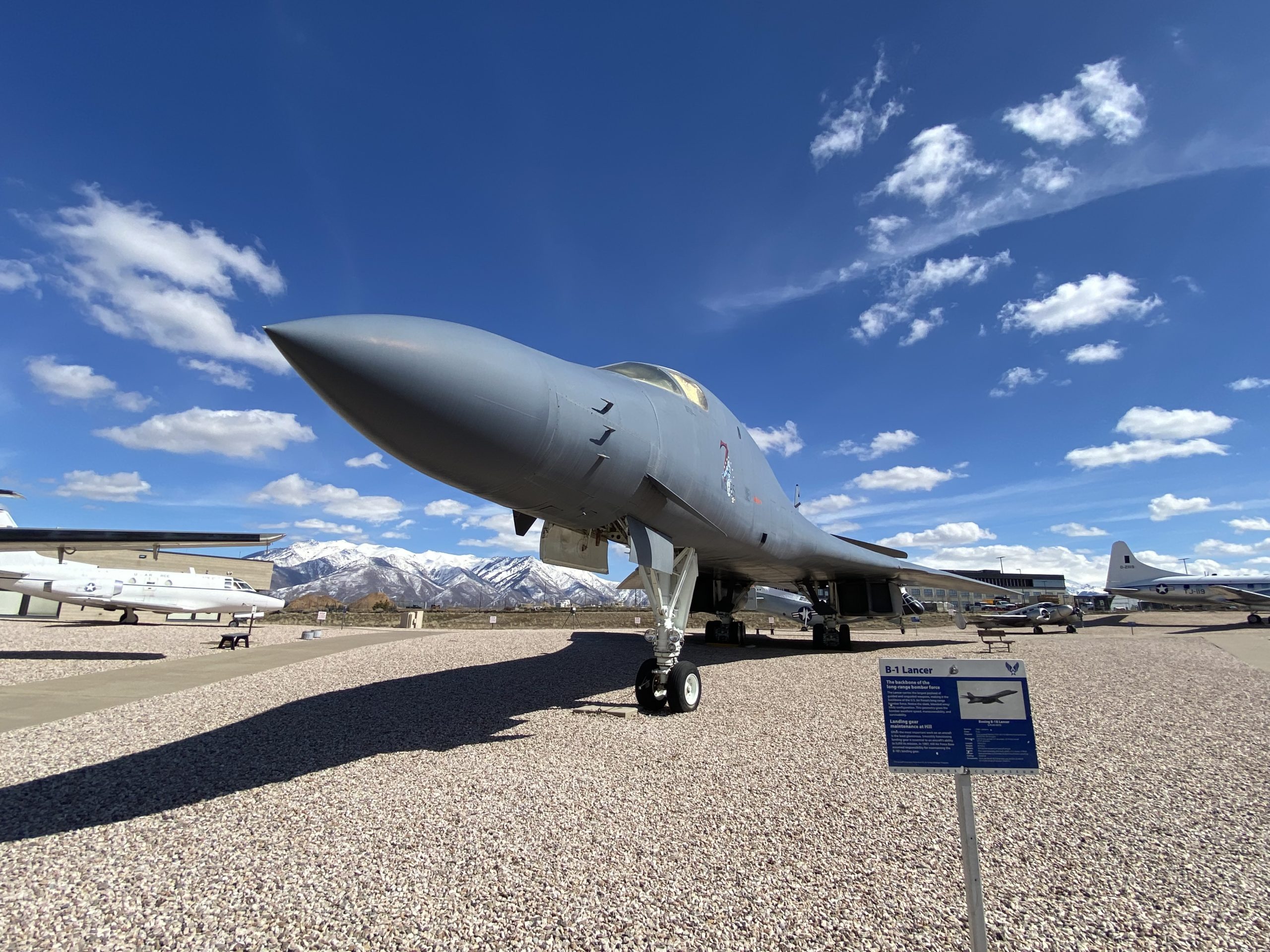
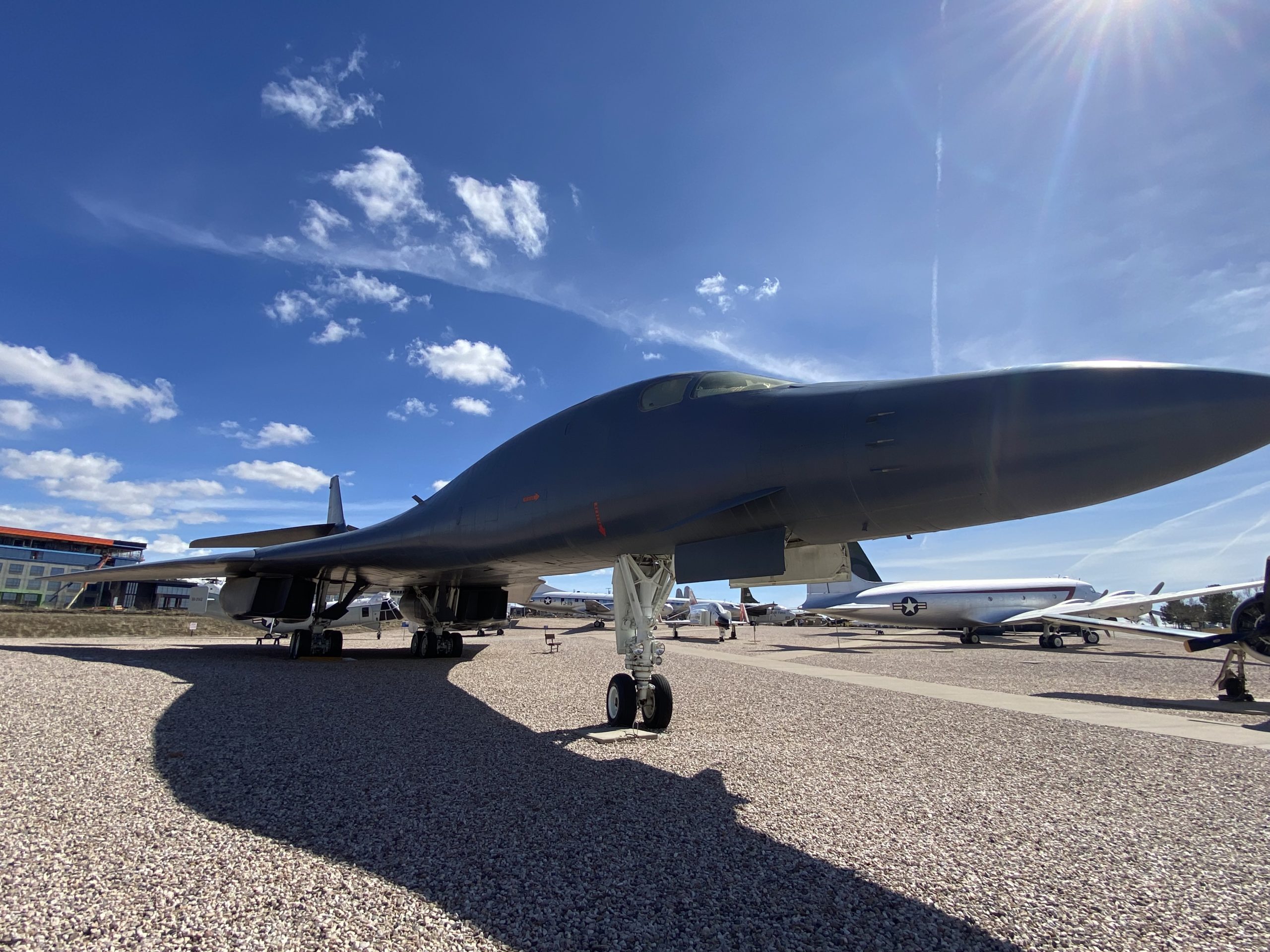
In 1987, Hill Air Force Base assumed maintenance and repair responsibilities for the landing gear components of B-1Bs and committed $26 million dollars to the effort. The airframe on display represents Hill Air Force Base’s history of maintenance with the Lancer. Nicknamed 7 Wishes, it spent its service life training aircrews at Dyess AFB in Abilene, Texas, during which it accumulated almost 4,000 flight hours. This B-1B arrived at Hill on 3 February 2003 and came to the Hill Aerospace Museum in May 2005.

Combat Capacity on Display

Combat capabilities and efficiency of the B-1 were on full display during 20th century conflicts. In 1990, during the NATO bombings of Yugoslavia, six B-1s delivered more than 20 percent of the total ordnance, despite flying less than two percent of combat missions. During the first six months of the war in Afghanistan, eight B-1s dropped nearly 40 percent of the total tonnage delivered during the conflict, demonstrating this airframe’s efficiency in combat scenarios.

Haga clic aquí para ver:

La Traduccíon en Español
Rockwell B-1B Lancer
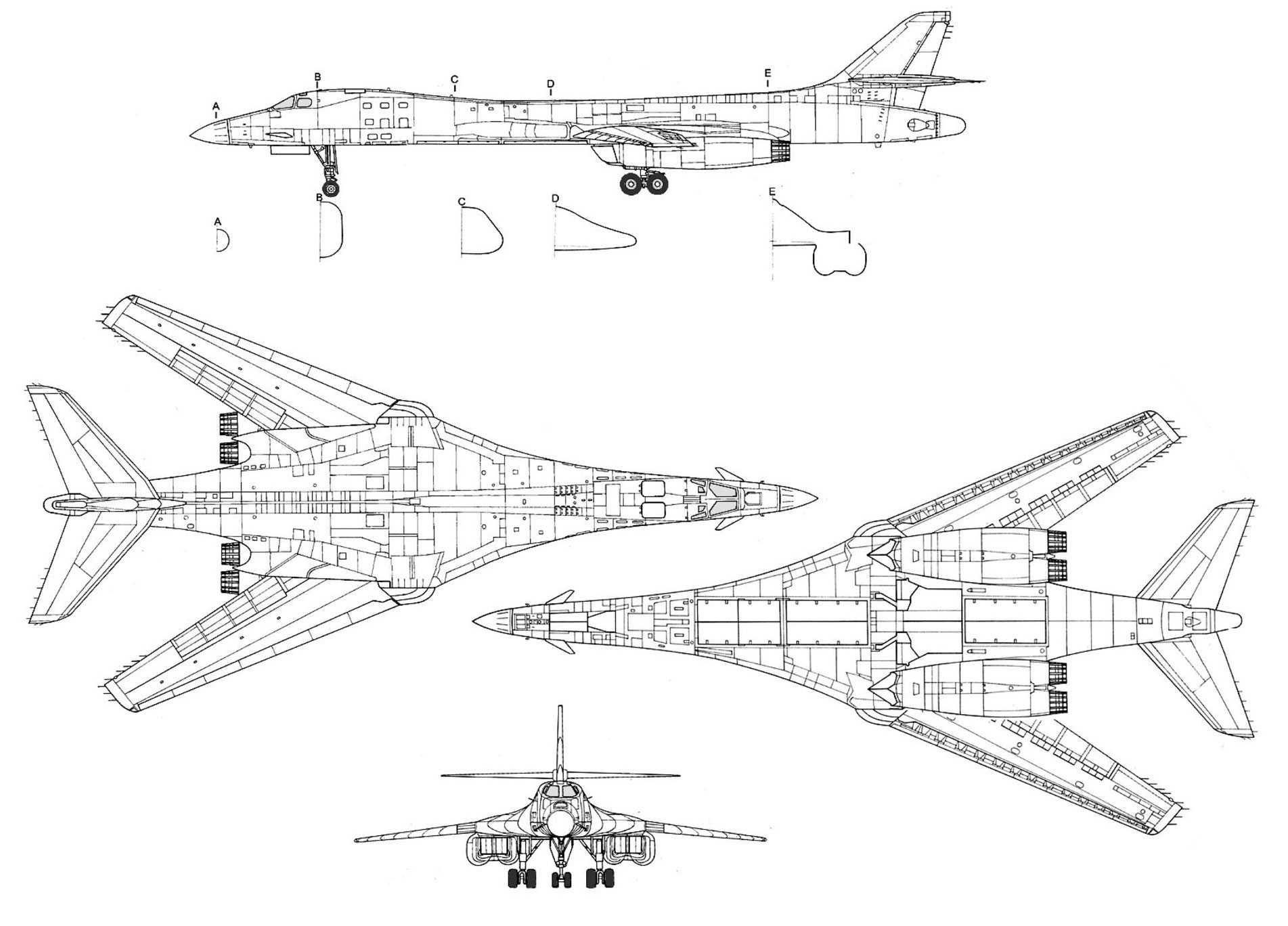
Boeing B-1B Lancer Blueprint

Boeing B-1B Lancer

Serial Number: 83-0070

Manufacturer: Boeing

Primary Function: Long-range, multi-role, heavy bomber

Crew: Four (aircraft commander, copilot, and two weapon systems officers)

Engines: Four General Electric F101-GE-102 afterburning turbofans; 30,000 pounds thrust each

Wingspan: 137 ft extended; 79 ft swept

Length: 146 ft

Height: 34 ft

Weight: 190,000 lbs.; Maximum Takeoff Weight: 477,000 lbs.

Speed: Maximum: 900-plus mph; Cruising Speed: 690 mph

Range: 6,500 miles

Service Ceiling: More than 30,000 ft

Armament: 75,000 lbs. internal and 59,000 lbs. external of mixed ordnance

Cost: Over $200,000,000 per aircraft
Years of Service: 1986 – present

The B-1B Lancer at Hill Air Force Base

The B-1B at Hill Aerospace Museum arrived at Hill Air Force Base in February 2003. Nicknamed “7 Wishes,” the aircraft was gained into the USAF from Rockwell International in April 1986. From there it was assigned to the 96th Bombardment (Heavy) Wing of the Strategic Air Command at Dyess Air Force Base in Abilene, TX in May 1986.

In 1987, Hill Air Force Base assumed responsibility for maintaining the B-1B’s landing gear.

During its life, the B-1B served training aircrews, accumulating almost 4,000 flight hours during the process. The final assignment for the aircraft was with the 28th Bombardment Squadron, 7th Bombardment Wing, 8th Air Force (Air Combat Command) at Dyess. The Lancer arrived at Hill Aerospace Museum in May 2005.

Discover the answers to the following questions about the B-1B Lancer.

The Boeing B-1B Lancer is a long-range, combat-proven, heavy bomber aircraft which has served the United States Air Force (USAF) since 1985. Nicknamed “The Bone,” the B-1 has flown more than 12,000 sorties since 2001 and is capable of reaching Mach 1.2 top speed. It flies with a crew of four, including the pilot/commander, copilot and two weapons systems officers.

Does Hill Aerospace Museum have a B-1?

The B-1B Lancer “7 Wishes” arrived at Hill Aerospace Museum in February 2003. Previously assigned to the 96th Bombardment Wing of the Strategic Air Command, 7 Wishes accumulated almost 4,000 flight hours during its assignment at Dyess Air Force Base in Abilene, TX.

How good is the B-1 bomber?

The B-1 has been continuously deployed in combat operations over Afghanistan, Iraq, Syria and Libya since 2001. It has a range of 6,500–7,500 miles without refueling and unlimited global range with in-air refueling. In 1999, during Operation Allied Force, six B-1s flew two percent of the strike missions, yet dropped 20 percent of the ordnance. That number increased to 40 percent during Operation Enduring Freedom.

Is the B-1 stealth?

As the backbone of America’s long-range, strategic bomber force, the B-1 was designed to penetrate air defenses by flying below radar. Due to the B-1’s design, it actually has a smaller radar cross-section than an F-16, despite being three times larger. When the B-21 Raider begins entering service over the next decade, it will be the most advanced stealth bomber ever.

Is the B-1 nuclear capable?

Originally designed for nuclear capabilities, the B-1 switched to a conventional combat role in the mid-1990s. The B-1 can carry up to 24 nuclear bombs or 84 five-hundred-pound conventional bombs.

How big is the B-1?

This bomber is 146 feet long with a wingspan of 137 feet. It weighs 190,000 pounds and has a 75,000-pound payload. Max takeoff weight of 477,000 pounds includes 265,274 pounds of fuel.

Plan your visit to see the Boeing B-1B Lancer at Hill Aerospace Museum in Utah.

B-1 Video Short