

Menu

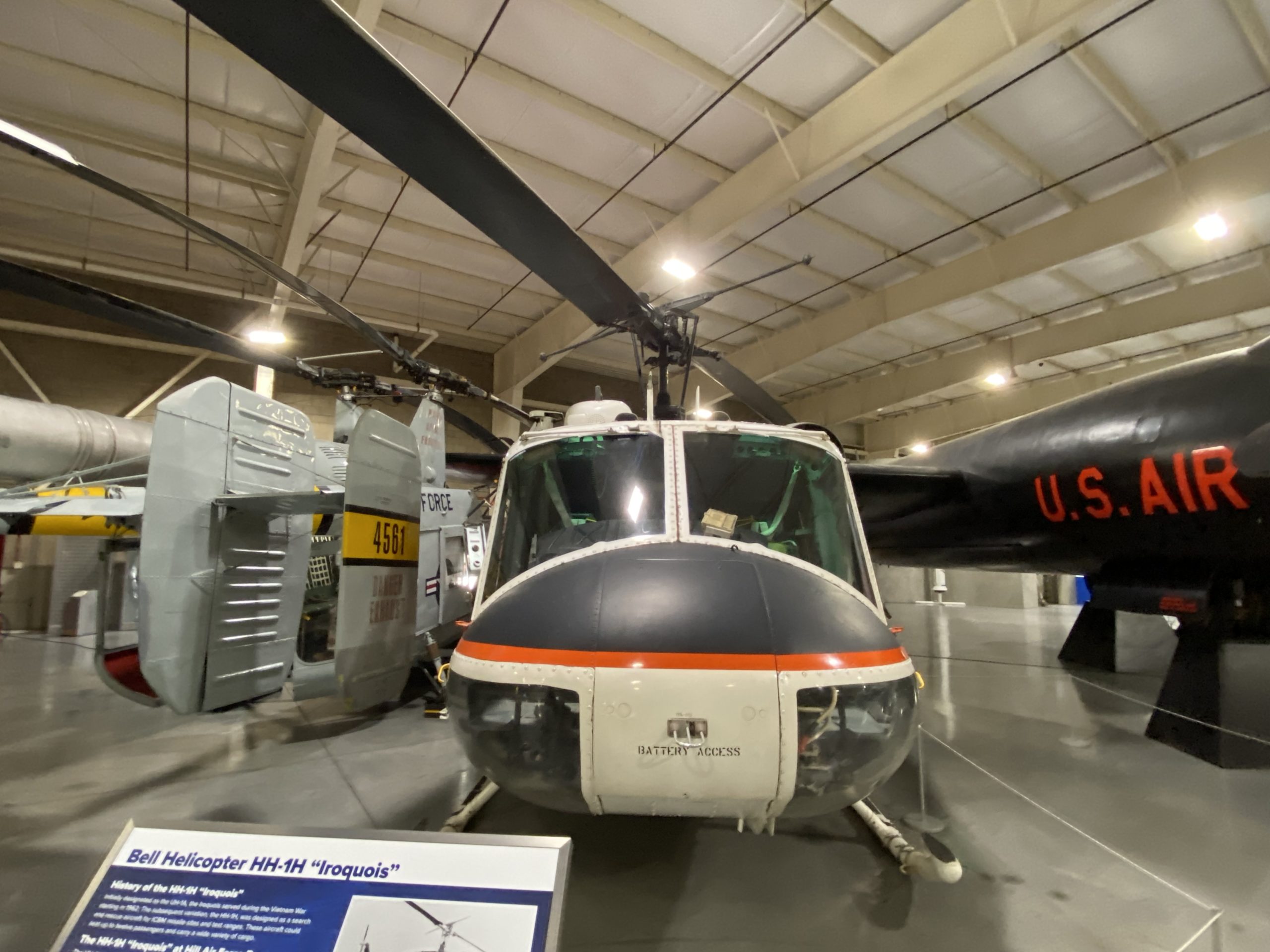
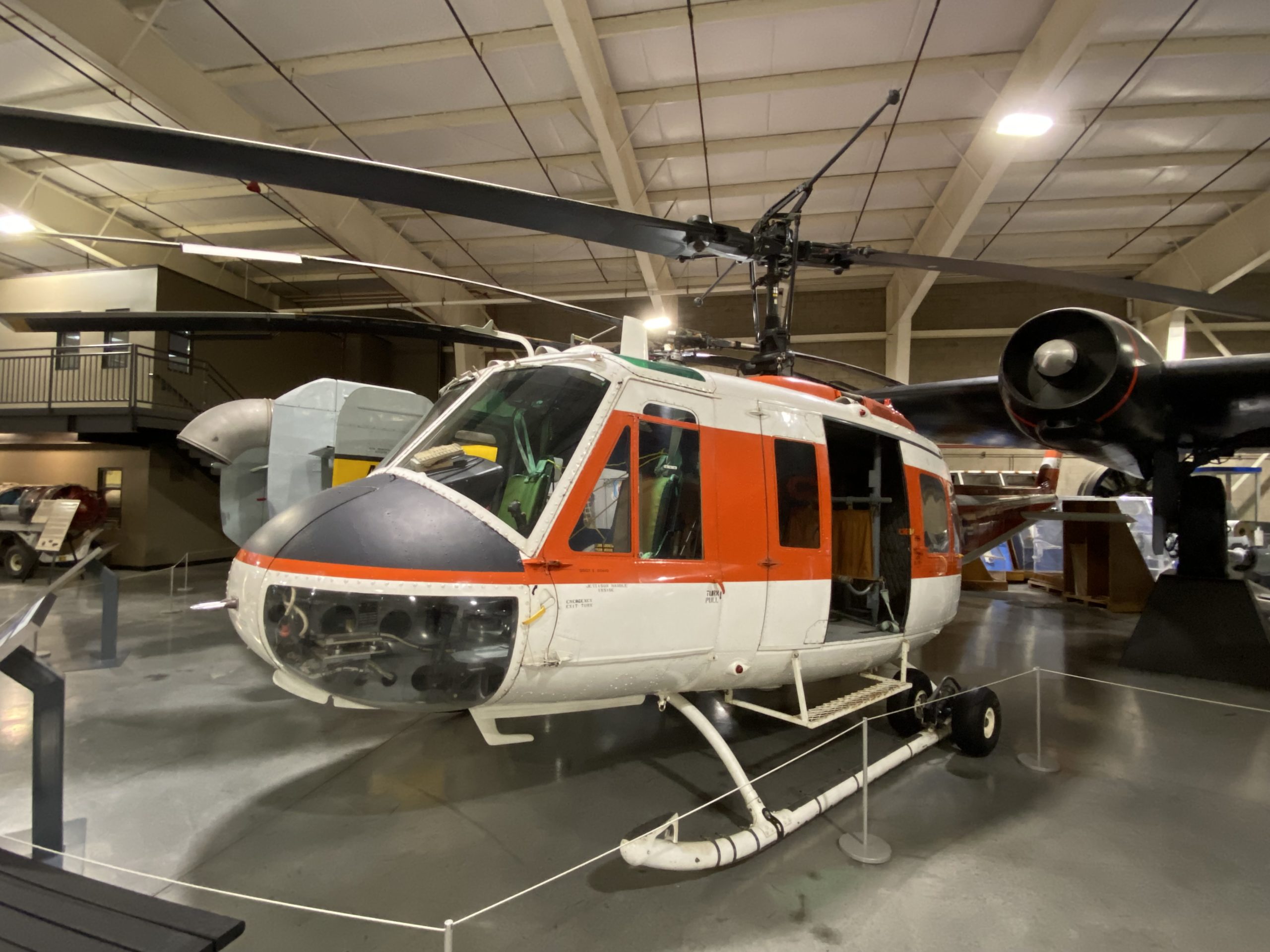
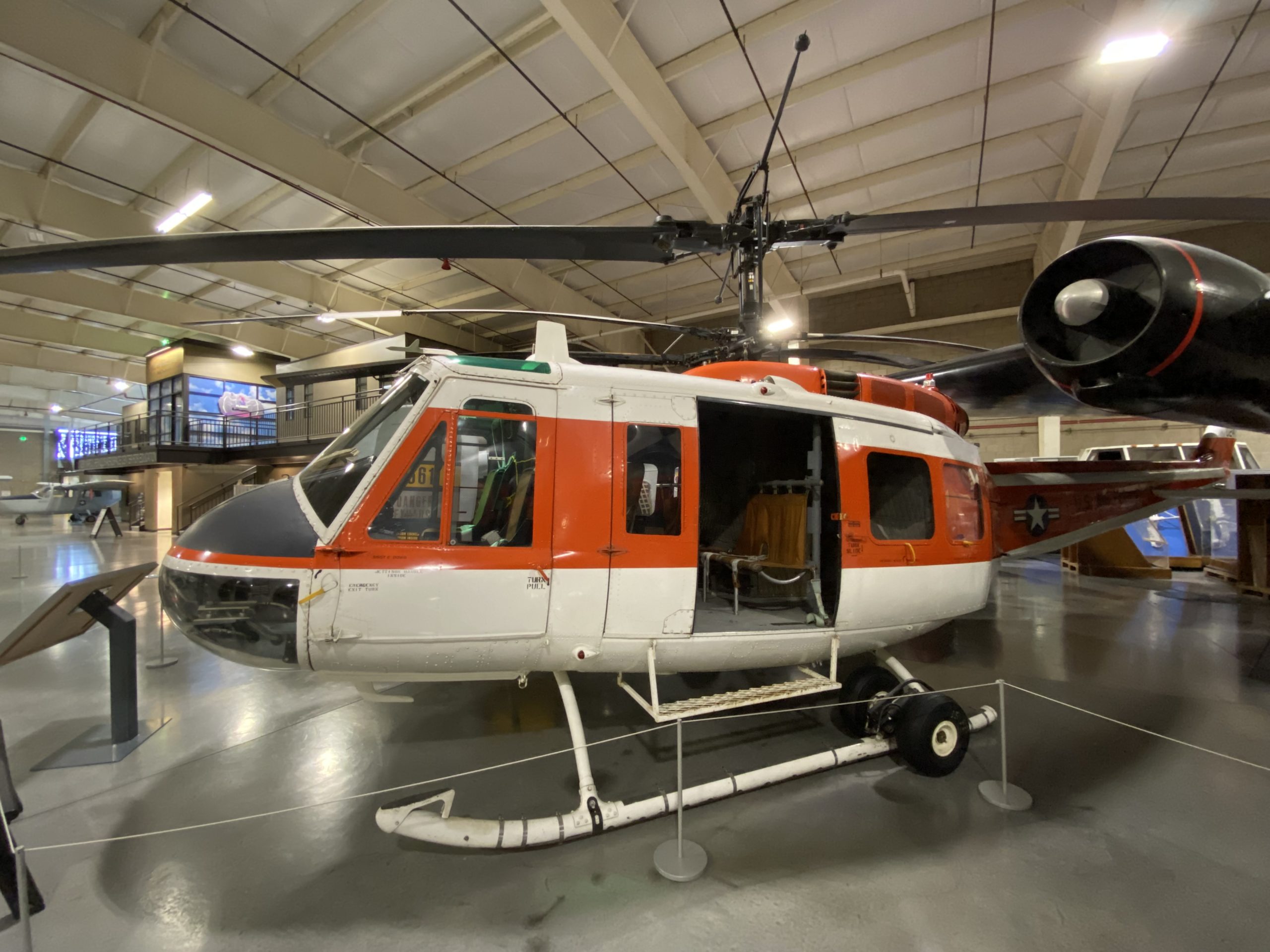
Bell HH-1H Iroquois

  • Bell HH-1H Iroquois
  • Bell HH-1H Iroquois
  • Bell HH-1H Iroquois
  • Bell HH-1H Iroquois
  • Bell HH-1H Iroquois

The HH-1H Iroquois

Versatile Helicopter

Initially designated as the UH-1A and commonly nicknamed “Huey,” the Iroquois served during the Vietnam War starting in 1962 — primarily asa medical evacuation aircraft. The subsequent variation, the HH-1H, performed search and rescue operations and intercontinental ballistic missile site support. These aircraft could seat up to twelve passengers and carry a wide variety of cargo. The versatile UH-1 continues support of US Air Force missions today, including airlift of emergency security forces, security and surveillance of off-base nuclear weapons convoys, disaster response operations, search and rescue, medical evacuation, airborne cable inspections, aircrew survival school support, aerial testing, routine missile site support and transport.

Helis at Hill

Hill Air Force Base was closely associated with the Iroquois beginning in 1971. Units that operated the aircraft on Hill included the 40th Aerospace Rescue and Recovery Squadron, the 1550th Aircrew Training and Test Wing, and the 6514th Test Squadron. Airmen from Hill used the Iroquois on display in the 1980s to provide rescue operations, personnel transport, and support of the Utah Test and Training Range. After 7,449 flight hours, the helicopter retired from service and was put on display at the Hill Aerospace Museum in 1996.

Mission Success

At Hill Air Force Base, this aircraft was involved in at least three recorded rescues of personnel. Notice the helicopter decals located on the hoist above the right door. Each decal represents a different rescue operation conducted by this aircraft.

This aircraft is on loan from the U.S. Air Force Heritage Program.

Haga clic aquí para ver:

La Traduccíon en Español Virtual Tour
Bell HH-1H Iroquois
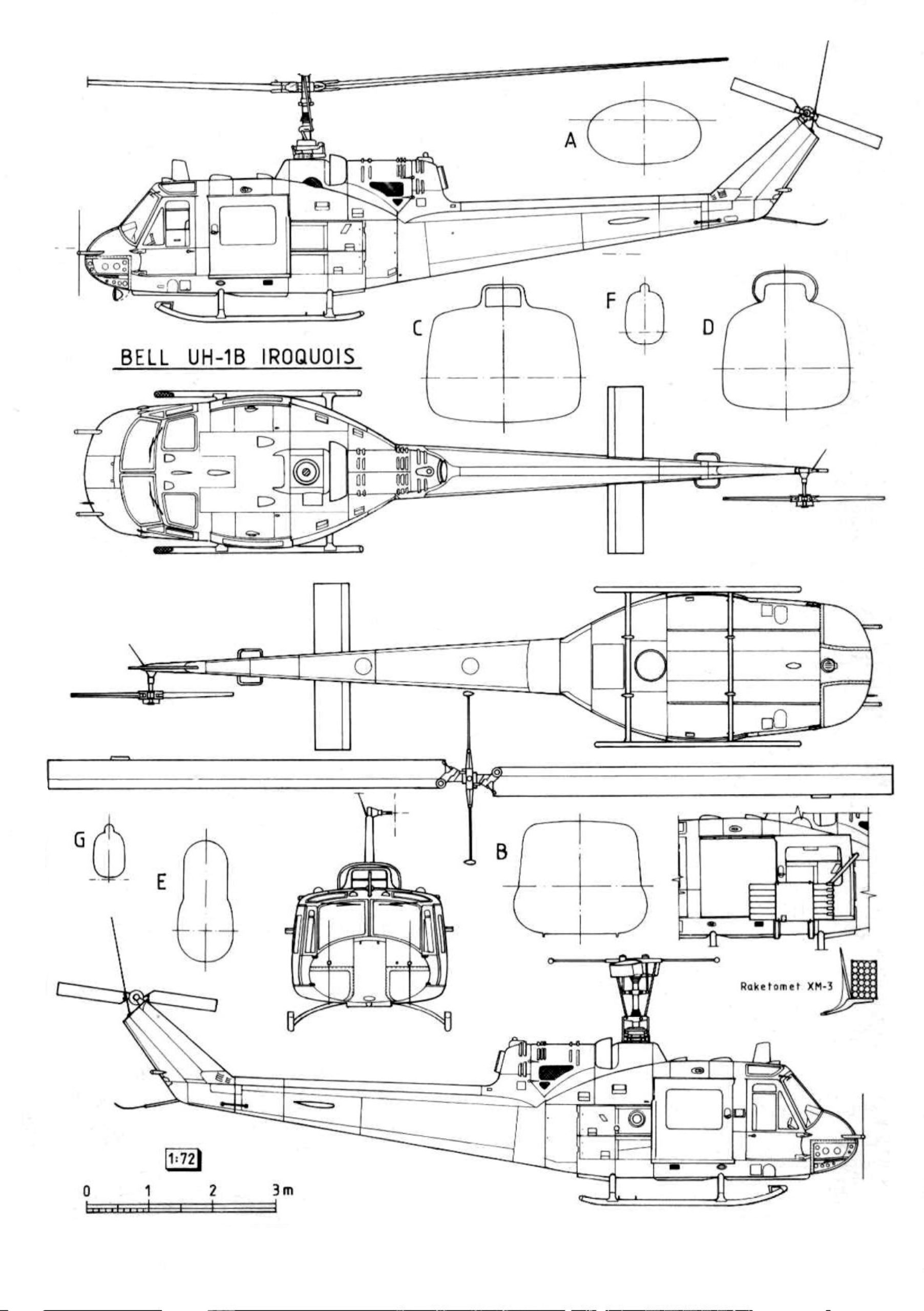
The HH-1H IroquoisBlueprint

The HH-1H Iroquois

Serial Number: 70-02470

Manufacturer: Bell Helicopter

Primary Function: Light-lift utility

Crew: Two to three

Engines: One Lycoming T-53-L-13B turboshaft, 1,400 hp

Wingspan: Rotor Diameter: 48 ft 4 in (main); 8 ft 6 in (tail); Width: 9 ft 5 in

Length: 57 ft 1 in

Height: 12 ft 8 in

Weight: 6,186 lbs (empty); 9,500 lbs (maximum)

Speed: 133 mph

Range: 325 miles

Service Ceiling: 13,000 ft

Armament: None

Years of Service: 1962 – Present

HH-1H Iroquois

Initially designated as the UH-1A, the Iroquois served during the Vietnam War starting in 1962. The subsequent variation, the HH-1H, was designed as a search and rescue aircraft for Intercontinental Ballistic Missile (ICBM) sites and test ranges. These aircraft could seat up to twelve passengers and carry a wide variety of cargo.

In 1973, the HH-1H helicopter on display was delivered to the 1550th Aircrew Training and Test Wing at Hill Air Force Base. In 1987, the aircraft was used for local air base rescue, personnel transport and support of the Utah Test and Training Range. In 1996, after 7,449 flight hours, the helicopter was retired from service and put on display at Hill Aerospace Museum. During its time at Hill Air Force Base, this aircraft was involved in three recorded rescues of personnel, as denoted by the three, small, helicopter decals on the overhead hoist.

What is the difference between the HH-1H and the UH-1?

The HH variant of the Huey was primarily used for search and rescue (SAR) missions, as well as general supply missions. The other main difference is the HH variant had its tail rotor on the opposite side of where it was positioned on the normal UH aircraft, and had a hoist mounted to the fuselage.

Who made the HH-1H?

The Huey and its subsequent derivatives were all produced by the Bell Corporation between 1959 and 1987.

How many HH-1Hs were produced?

A total of 30 were produced for use by the United States Air Force (USAF).

Are there any HH-1Hs still flying today?

The ubiquitous Huey is still in use across the globe for American forces and allies.

Virtual Tour